
What is outsourcing?
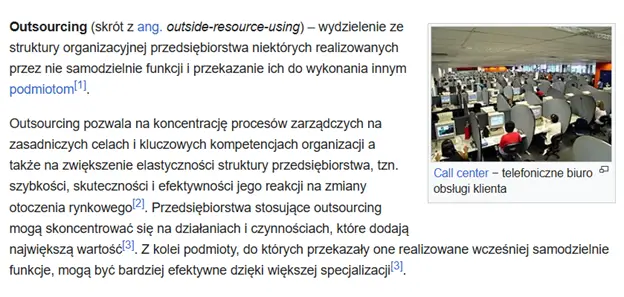
Outsourcing is a management strategy that involves delegating selected business processes or functions to external service providers. The term originates from the phrase "outside-resource-using," meaning the use of external resources.
Types of outsourcing
Outsourcing can be divided into several categories:
- Business Process Outsourcing (BPO) – delegating functions such as accounting, customer service, or human resources to external providers;
- Information Technology Outsourcing (ITO) – outsourcing IT infrastructure management, software development, or technical support;
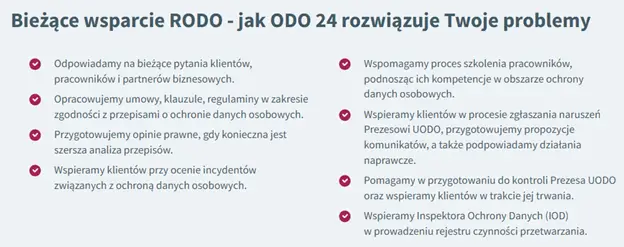
- Knowledge Process Outsourcing (KPO) – delegating tasks that require specialized expertise, such as market analysis or scientific research. This category also includes outsourcing the role of a Data Protection Officer (DPO) and ongoing personal data protection support, both of which require expert knowledge of GDPR regulations and best practices.
Benefits of outsourcing
Choosing outsourcing can bring numerous advantages:
- Cost reduction – outsourcing tasks to external providers often helps lower operational expenses;
- Access to specialized expertise – working with external specialists allows organizations to benefit from their experience and know-how;
- Focus on core business activities – delegating secondary functions enables companies to concentrate on their primary business objectives.
As noted by Maciej Kaczmarski, President of the Management Board, ODO 24:
"Outsourcing enables companies to focus on their core competencies while benefiting from the experience of external specialists."
Risks associated with outsourcing
Outsourcing can be an excellent solution, provided that the right partner is selected. Important considerations include:
- Data security – working with a provider that follows the highest information security standards ensures that your data is properly protected;
- Transparency and communication – choosing an organization that operates according to clear principles and provides ongoing communication helps maintain visibility and control over processes;
- Stability of cooperation – partnering with an experienced and well-established provider gives confidence that service quality will remain consistently high and that the relationship will be based on trust and partnership.
Choose carefully—outsourcing can be both safe and effective when you work with specialists who possess the appropriate expertise and approach.
Outsourcing in Poland
Outsourcing gained popularity in Poland during the 1990s. Today, Poland is considered one of the leading outsourcing and offshoring destinations in Europe and globally. The Polish outsourcing market is worth more than PLN 4 billion and continues to grow by as much as 15% annually. More than 170,000 people work in the outsourcing sector, primarily in large business service centers.
Examples of outsourcing in the field of personal data protection
In practice, outsourcing is used across many areas of business operations, including:
- DPO outsourcing – delegating the role of Data Protection Officer to an external provider;
- GDPR implementation – using specialist firms to assist with implementing personal data protection regulations;
- GDPR compliance support – ongoing assistance in maintaining compliance with personal data protection requirements.